Book Appointment Now


Construction Contracts & Legal Changes in 2026
What Contractors, Builders & Developers Must Know In 2026
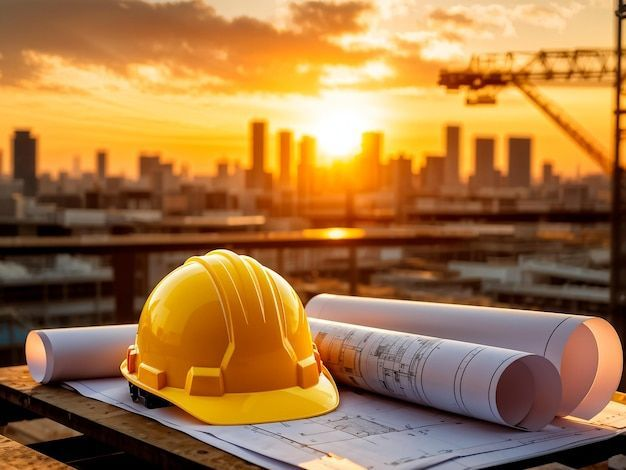
The construction industry in 2026 is not just changing because of technology or materials — it’s also changing because of new contract practices and legal updates.
Many contractors focus only on project execution. But today, understanding construction contracts and legal changes in 2026 is just as important as managing labour or materials.
Let’s break it down in simple language.
Why Construction Contracts Matter More in 2026

A construction contract is not just paperwork.
It defines:
- Payment terms
- Project timelines
- Scope of work
- Risk responsibility
- Penalties and claims
- Dispute resolution process
In 2026, projects are bigger, investments are larger, and risks are higher. Because of this, contracts are becoming more detailed and stricter.
If contractors don’t understand legal clauses properly, they may face:
- Payment delays
- Legal disputes
- Heavy penalties
- Project termination
- Loss of reputation
That’s why staying updated with construction contracts and legal changes in 2026 is critical.
1. Strict Contractor Payment Policies
One major shift in 2026 is tighter payment protection rules.
Many contracts now include:
- Clear milestone-based payments
- Digital invoice submission requirements
- Strict documentation before payment release
- Delay penalties for both sides
Some developers are adding “pay-when-paid” clauses more aggressively, which means subcontractors get paid only after the main contractor receives payment.
Contractors must carefully review payment terms before signing.
2. Stronger Compliance & Documentation Rules
In 2026, compliance is becoming stricter due to:
- Environmental regulations
- Labour law enforcement
- Safety standards
- ESG (Environmental, Social, Governance) norms
Contracts now require:
- Proper labour records
- Safety compliance proof
- Waste disposal documentation
- Carbon footprint reporting (in some projects)
Failing to meet these conditions can result in legal action or blacklisting.
This is a key part of construction contracts and legal changes in 2026.
3. Increased Focus on Risk Allocation
Modern contracts clearly define who bears the risk for:
- Material price escalation
- Labour shortages
- Weather delays
- Supply chain disruptions
- Design errors
Earlier, many contracts were vague. Now, risk allocation clauses are more specific.
For example:
- Escalation clauses may be capped
- Force majeure definitions are tighter
- Insurance coverage requirements are higher
Contractors must understand which risks they are accepting.
4. Dispute Resolution Is Becoming Faster
Legal disputes in construction can take years. Because of this, 2026 contracts are focusing more on:
- Arbitration clauses
- Mediation before litigation
- Online dispute resolution
- Time-bound settlement frameworks
Many agreements now clearly define:
- Governing law
- Jurisdiction
- Arbitration panel selection
This helps reduce long legal battles.
Understanding these elements is essential in construction contracts and legal changes in 2026.
5. Digital Contracts & E-Signatures
Digital transformation is affecting legal documentation too.
In 2026:
- E-signatures are widely accepted
- Digital contract management systems are common
- Online tendering platforms dominate bidding
- Cloud-based documentation is standard practice
This improves transparency but also requires better data management and cybersecurity practices.
Contractors who ignore digital systems may struggle to compete.
6. ESG & Sustainability Clauses in Contracts
Large infrastructure and real estate projects now include sustainability clauses such as:
- Minimum green material usage
- Waste recycling targets
- Energy efficiency requirements
- Sustainable sourcing standards
Failure to comply can lead to penalties or termination.
This shows how construction contracts and legal changes in 2026 are not only about money — they also focus on environmental responsibility.
7. Labour Law Enforcement & Worker Protection
Governments are increasing scrutiny on:
- Minimum wage compliance
- Worker safety standards
- Insurance coverage
- Social security contributions
Contracts may now require:
- Proof of labour registration
- Attendance tracking
- Worker insurance certificates
Non-compliance can lead to fines or legal action.
8. Performance-Based Contracts Are Rising
In 2026, many infrastructure projects are shifting toward:
- Performance-based contracts
- Outcome-based payments
- Maintenance-linked agreements
This means contractors are paid not just for building — but for long-term performance.
For example:
- Road quality guarantees
- Defect liability periods
- Maintenance obligations
This trend is reshaping construction contracts and legal changes in 2026.
What Contractors Should Do Now
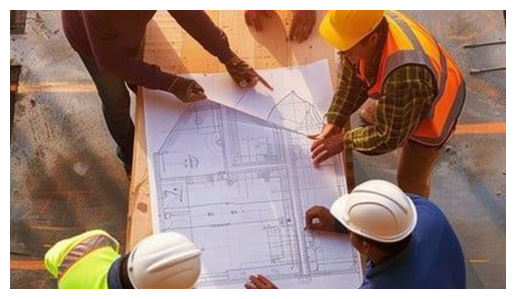
To stay safe and profitable in 2026:
- Always review contracts with a legal expert
- Understand payment and risk clauses clearly
- Maintain proper documentation
- Stay updated with labour and environmental laws
- Invest in digital contract management
- Avoid signing rushed agreements
Remember — a good project can fail because of a bad contract.
Final Thoughts
The construction industry is growing, but legal complexity is also increasing.
Understanding construction contracts and legal changes in 2026 is no longer optional — it is essential for survival and growth.
Smart contractors will not just focus on building structures.
They will also focus on building strong, legally secure agreements.