Book Appointment Now

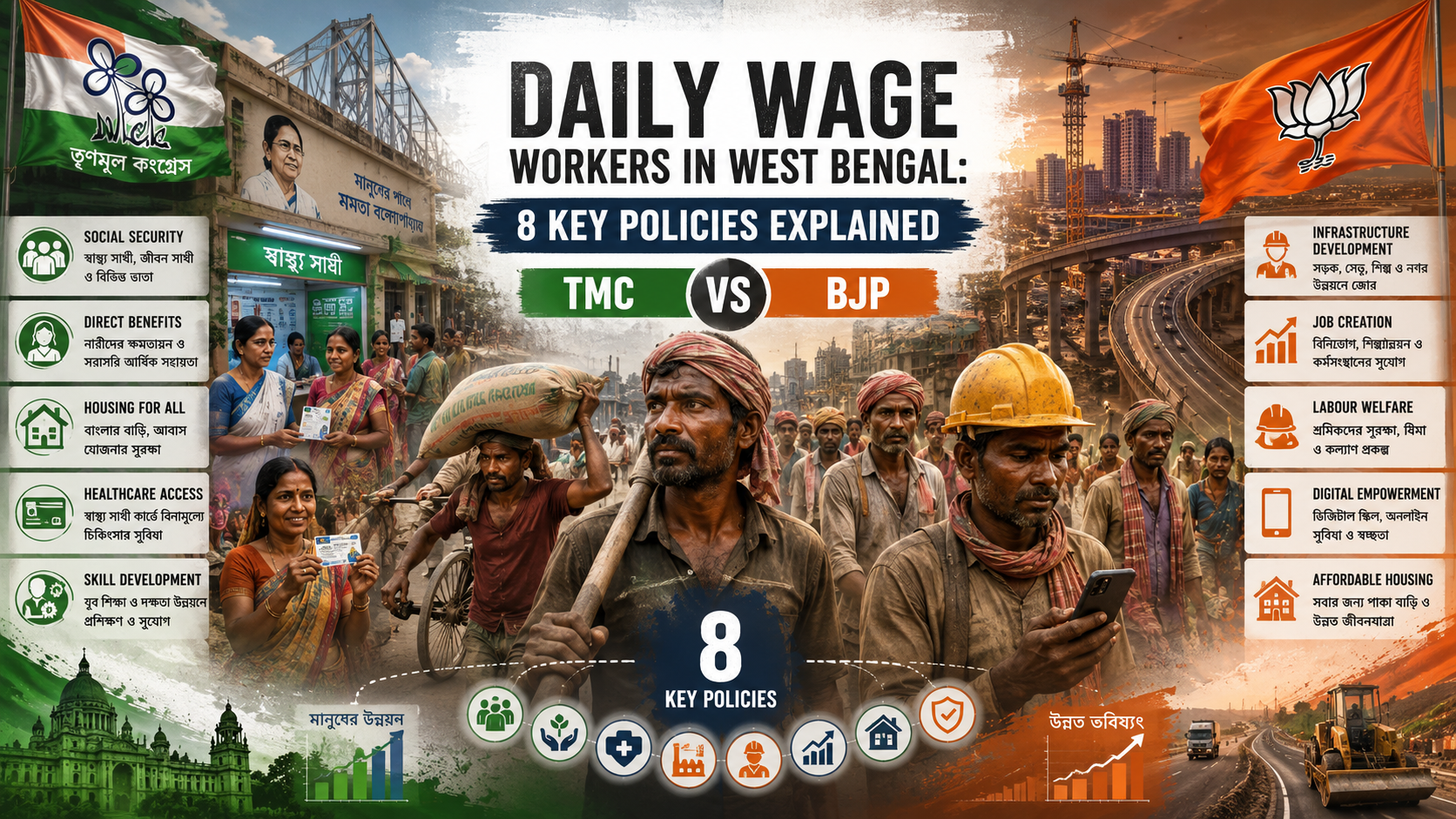
Daily Wage Workers in West Bengal: 8 Key Policies Explained — TMC vs BJP
Daily wage workers form the backbone of India’s economy. From construction labourers and factory helpers to street vendors and agricultural workers, millions depend on daily earnings to support their families. In West Bengal, political policies directly influence their livelihood, job security, and social protection.
Two major political forces — the All India Trinamool Congress (TMC) and the Bharatiya Janata Party (BJP) — present different approaches toward supporting daily wage workers. Understanding what has been done and what is promised helps workers and employers make informed decisions.
Why Daily Wage Workers Matter in West Bengal
West Bengal has a large informal workforce. Many workers rely on temporary employment in construction, transportation, agriculture, small industries, and urban services. Unlike salaried employees, daily wage workers often face:
- Irregular income
- Lack of job security
- Limited social protection
- Migration challenges
- No fixed benefits like insurance or pension
Because of these realities, government welfare schemes and employment policies become extremely important.
TMC’s Achievements for Daily Wage Workers
Since forming the government in West Bengal, TMC has focused heavily on welfare-oriented schemes aimed at economically weaker sections.
1. Expansion of Social Welfare Schemes
The TMC government introduced multiple welfare initiatives designed to provide financial stability to low-income families. Programs supporting health care, food security, and direct cash benefits have indirectly supported daily wage earners by reducing basic living expenses.
2. Strengthening Rural Employment
Rural employment programs have been actively promoted to generate work opportunities in villages. Infrastructure development projects such as roads, housing, and local construction have created short-term employment for labourers.
3. Health & Social Protection
Affordable healthcare access through state-supported schemes has helped workers avoid heavy medical expenses — one of the biggest financial risks for daily wage families.
4. Support During Crisis Periods
During economic disruptions and pandemic periods, relief measures such as ration distribution and financial assistance were extended to vulnerable workers, including daily wage earners.
5. Focus on Welfare Governance
TMC’s approach largely emphasizes welfare support — ensuring workers receive subsidies, social security assistance, and direct benefits to maintain basic living standards.
BJP’s Vision and Promises for Daily Wage Workers
While TMC highlights welfare delivery, BJP focuses more on employment generation, infrastructure expansion, and economic growth as long-term solutions.
1. Job Creation Through Infrastructure Development
BJP’s broader national vision emphasizes large infrastructure projects, industrial investment, and manufacturing growth. The idea is that economic expansion naturally creates more jobs for construction workers, labourers, and skilled tradespeople.
2. Formalization of Labour Workforce
BJP has promoted digital registration of workers and labour databases at the national level. The goal is to move workers from informal systems toward structured employment with benefits and legal protection.
3. Skill Development Initiatives
Skill development programs aim to help daily wage workers upgrade from unskilled labour to skilled professions, potentially increasing income and job stability.
4. Direct Benefit Transfers & Digital Inclusion
The party promotes technology-driven governance — linking workers to bank accounts, insurance schemes, and digital payment systems to ensure benefits reach workers directly.
5. Economic Growth Strategy
BJP’s argument is that sustainable improvement for daily wage workers comes through investment, industrialization, and private-sector job opportunities rather than only welfare support.
Key Differences: Welfare vs Growth Approach
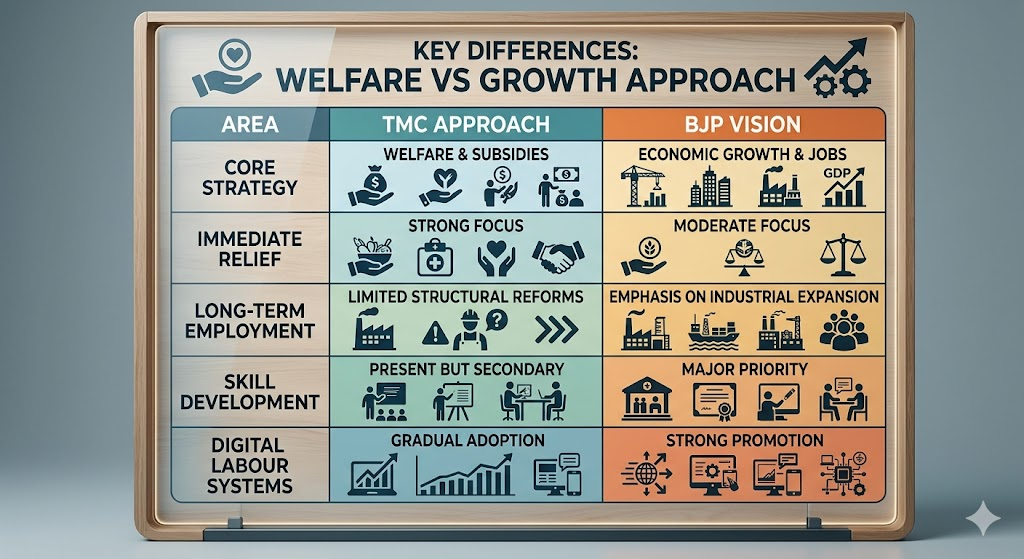
Both approaches target worker welfare but through different methods.
What Daily Wage Workers Actually Need
Regardless of political ideology, daily wage workers typically look for:
- Regular job opportunities
- Fair wages
- Social security protection
- Healthcare access
- Skill development opportunities
- Reliable income stability
The best outcomes often come when welfare support and economic growth work together.
Challenges Still Facing Workers
Even with various schemes and promises, several challenges remain:
- Informal hiring practices
- Lack of verified job platforms
- Wage inconsistencies
- Seasonal unemployment
- Limited awareness about government schemes
This is why digital labour platforms and organized hiring systems are becoming increasingly important in modern India.
The Role of Technology in Supporting Workers
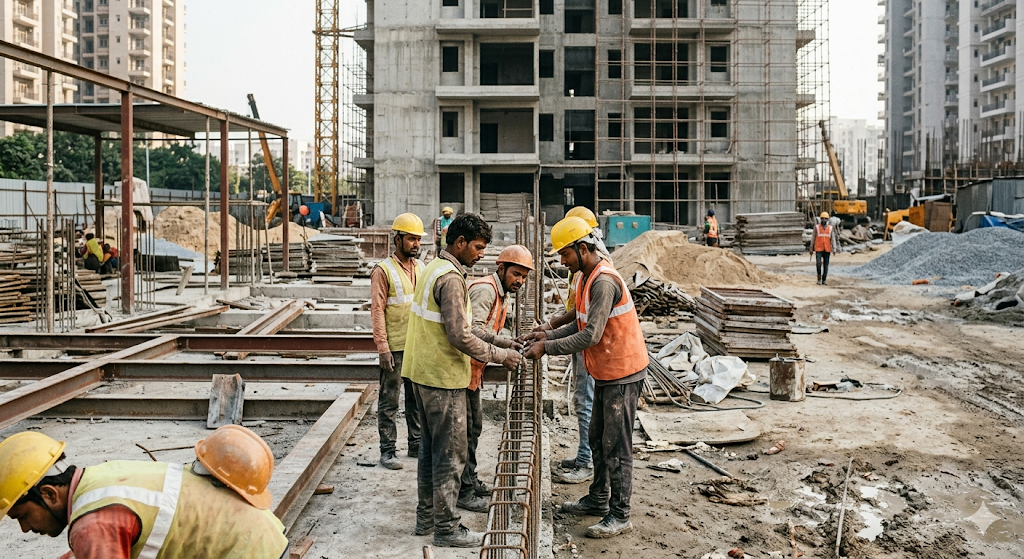
Beyond politics, technology is emerging as a powerful equalizer. Digital hiring platforms help workers connect directly with employers, reducing dependence on traditional labour markets and middlemen.
Online job platforms can offer:
- Verified job listings
- Faster hiring
- Transparent wages
- Better worker visibility
- Increased earning opportunities
This shift shows that improving worker conditions requires cooperation between policy, industry, and technology.
Conclusion
The comparison between TMC and BJP highlights two different paths toward supporting daily wage workers in West Bengal. TMC focuses strongly on welfare schemes and immediate financial support, while BJP promotes economic expansion, skill development, and structured employment systems for long-term growth.
Ultimately, daily wage workers benefit most when both welfare protection and employment generation move forward together. Political policies matter, but sustainable progress depends on consistent job opportunities, skills, and access to modern hiring platforms.


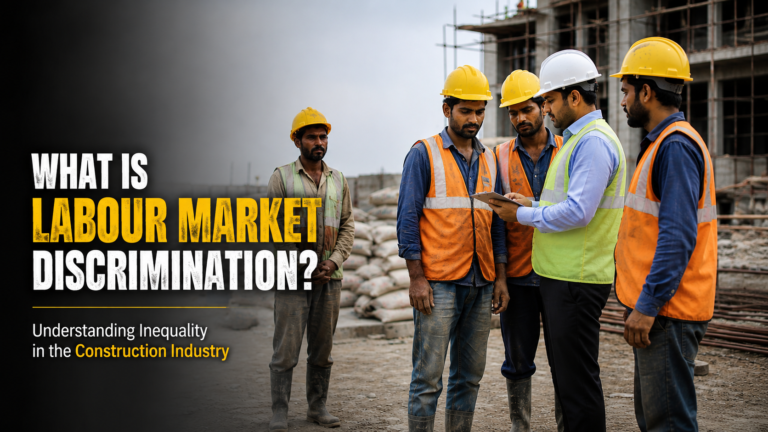
[…] Unlike permanent employees, they usually do not receive fixed salaries or long-term employment contracts. Their livelihood depends entirely on daily job availability. […]