Book Appointment Now

Labour Day: Why We Celebrate Labour day on 1st May
A simple look at the history, meaning, and modern relevance of International Workers’ Day.
What Is Labour Day?
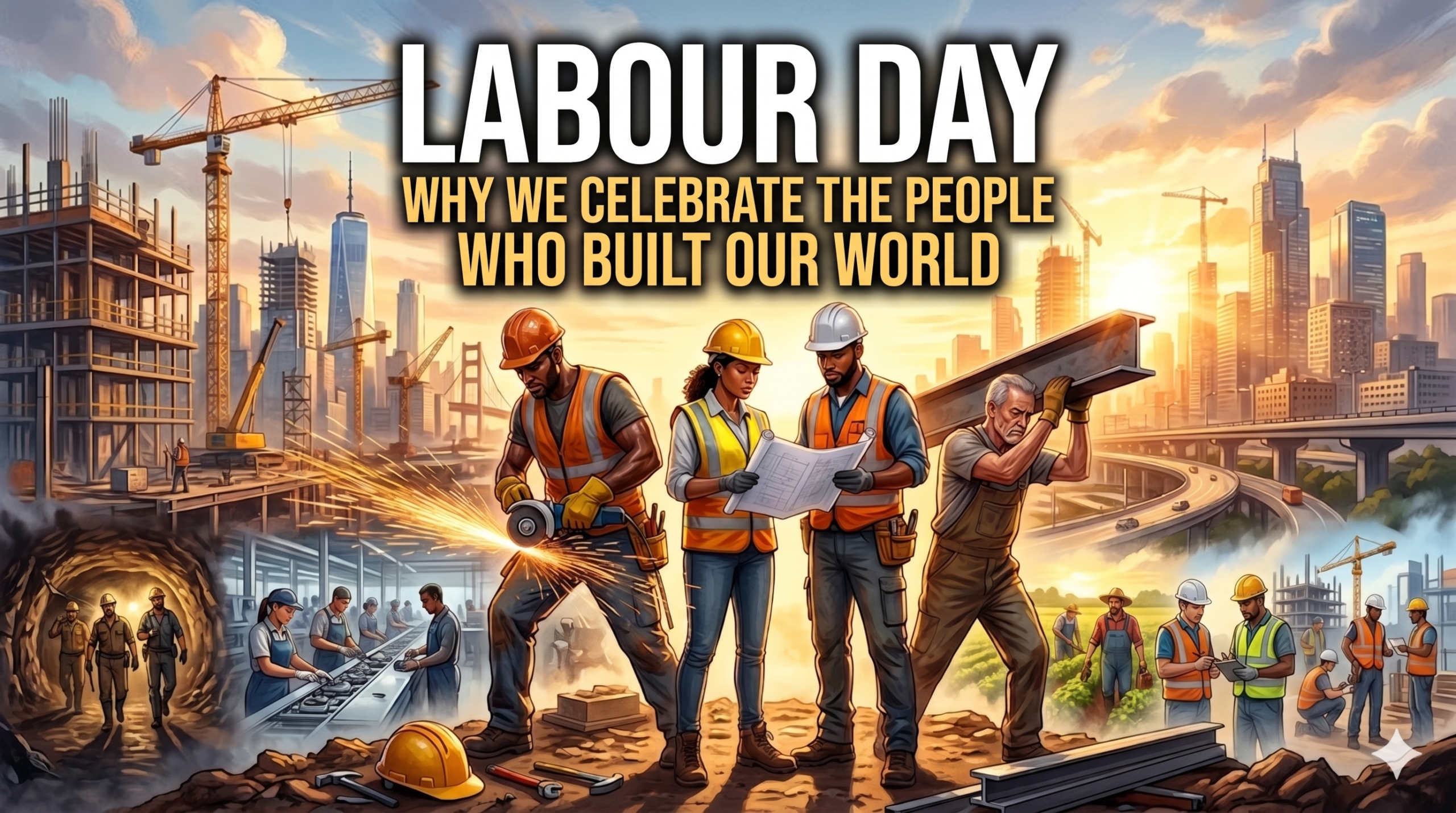
Labour Day — also called International Workers’ Day or May Day — is a public holiday celebrated on May 1 in most countries around the world. It is a day to honour workers: the farmers, factory workers, nurses, teachers, drivers, and millions of others whose daily efforts keep society running.
In some countries like the United States and Canada, Labour Day falls on the first Monday of September. But for the majority of the world, May 1 is the official date of celebration.
A Quick History: Where Did It All Begin?
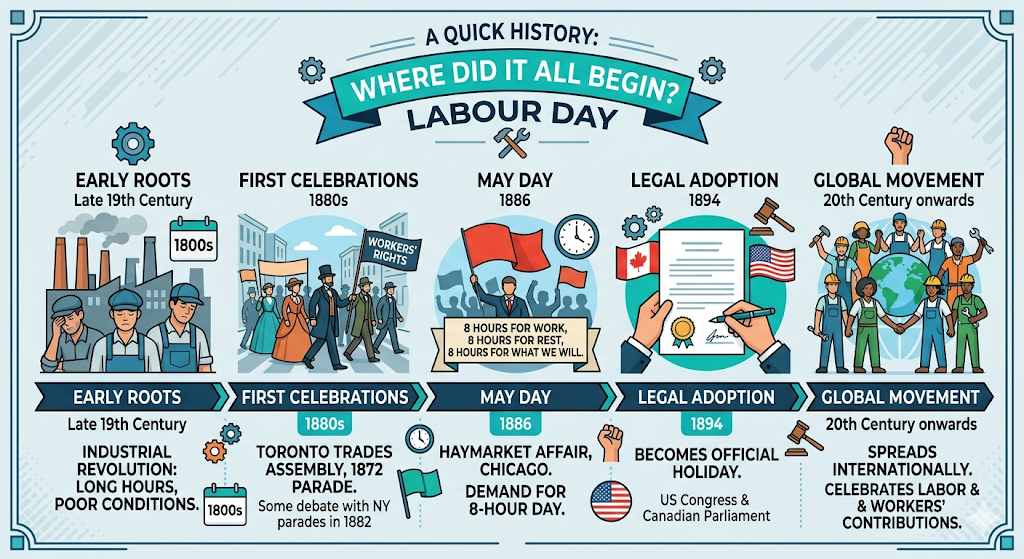
The roots of Labour Day go back to the 19th century in the United States, during the height of the Industrial Revolution. Factories were booming, but workers were suffering. They worked 12 to 16 hours a day, 6 or 7 days a week, in dangerous conditions — and for very little pay. Children as young as 10 worked alongside adults.
Workers had one simple demand: “Eight hours for work, eight hours for rest, eight hours for what we will.” This slogan became the heartbeat of the labour movement.
On May 1, 1886, workers across the United States went on a massive strike to demand an 8-hour workday. The protest turned violent in Chicago’s Haymarket Square, where a bomb was thrown into a crowd of police. Several people died. The Haymarket Affair, as it came to be called, shocked the world — but it also lit a fire under the global labour movement.
In 1889, the International Socialist Conference declared May 1 as an international day to remember those workers and continue fighting for workers’ rights. Since then, it has grown into a global celebration observed in over 160 countries.

What Did Workers Fight For?
The early labour movement wasn’t just about working hours. Workers organised and protested for a range of rights that most of us take for granted today:
A safe working environment free from dangerous machinery and toxic conditions. Fair wages that could actually support a family. The right to form unions and bargain collectively. Paid holidays and sick leave. The end of child labour. Equal pay regardless of gender or background.
These were not given — they were won through years of strikes, marches, negotiations, and sometimes sacrifice.
How Is Labour Day Celebrated Around the World?
Labour Day looks different depending on where you are. In many countries, it is a public holiday — schools and offices are closed, and people get a day off to relax with family.
In countries like India, China, Russia, and Germany, large parades and rallies are organised by trade unions and workers’ groups. Politicians give speeches, workers march through the streets, and the achievements of the labour movement are remembered.
In Cuba and North Korea, May Day is marked with massive state-organised displays. In contrast, in the UK, it is observed more quietly as a bank holiday on the nearest Monday.
In parts of Europe, May 1 blends with older spring festivals, making it a mix of political remembrance and seasonal celebration.
Why Does Labour Day Still Matter Today?
You might wonder — if workers already won the 8-hour workday and basic rights, why do we still need Labour Day?
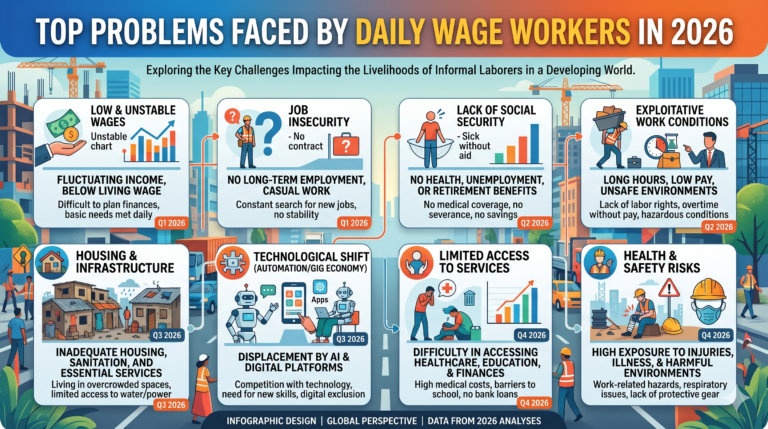
Because the fight is not over. Millions of workers around the world still face unfair wages, unsafe conditions, and job insecurity. The rise of gig economy jobs, zero-hour contracts, and automation has created new challenges. Workers today are fighting for things like remote work rights, mental health support at the workplace, and protection against AI-driven job losses.
Labour Day is not just a history lesson — it is a reminder that workers must keep speaking up, because rights can be eroded just as easily as they were earned.
It is also a day to say thank you — to the grocery store staff, the delivery riders, the construction workers, and every person whose work often goes unnoticed but makes our daily lives possible.
Conclusion
Labour Day is more than a day off. It is a reminder of how far we have come — and how much further we still have to go. It honours those who stood up when it was dangerous to do so, and it asks us to carry that spirit forward. Whether you mark the day with a parade, a moment of reflection, or simply by appreciating the work that goes into everything around you — Labour Day deserves to be understood and respected.
Because behind every product you buy, every service you use, and every building you enter — there are workers. And they matter.