Book Appointment Now


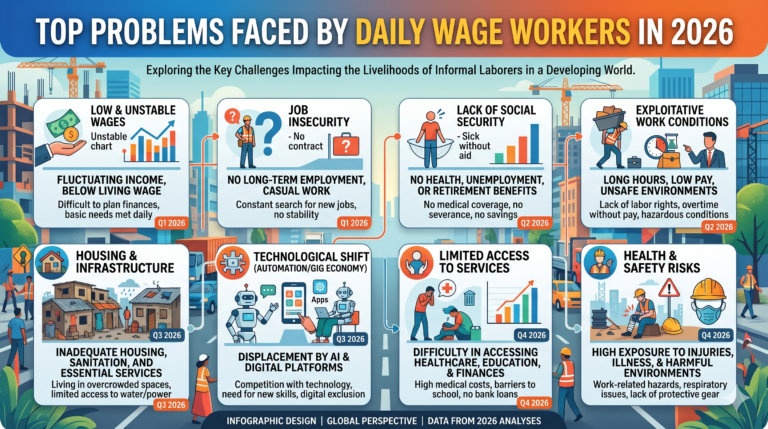
Projects Miss Deadlines: The Real Reason No One Talks About
Contractors blame material shortages.
Builders blame weather conditions.
Engineers blame approval delays.
But there is one major reason that rarely gets discussed openly:
Labour instability.
Yes — one of the biggest reasons projects miss deadlines is unstable labour attendance.
Let’s understand this in simple, practical terms.
The Plan Looks Perfect on Paper

Before any construction project begins, everything is carefully calculated:
- Number of workers required
- Estimated project duration
- Daily productivity targets
- Material supply timelines
For example:
If 20 workers can complete brickwork in 10 days, the schedule is created accordingly.
But this plan assumes one critical thing:
All 20 workers will show up every single day.
And that’s where the gap begins.
What Actually Happens on Site

On the ground, reality is different.
- 3 workers leave for another project
- 2 return to their village
- 1 moves for slightly higher wages
- 2 don’t show up without notice
Suddenly, 20 workers become 12 or 14.
Work slows down immediately.
And when labour strength drops, projects miss deadlines — not because of poor planning, but because of unstable manpower
Why Small Labour Gaps Create Big Delays

Many people believe losing a few workers causes only minor disruption.
That is not true.
Construction is a sequence-based industry.
Each activity depends on the previous one.
For example:
- If shuttering is delayed → concrete pouring is delayed
- If concrete pouring is delayed → curing is delayed
- If curing is delayed → finishing work is delayed
One weak link affects the entire chain.
Even a 2-day delay in one activity can push the overall project timeline by 7–10 days.
This is exactly how projects miss deadlines — silently and repeatedly.
The Core Issue: Informal Hiring Systems

The main reason labour instability exists is informal hiring.
In many regions, workers are hired:
- From labour chowks
- Through phone calls
- Via middlemen
- Without written agreements
- Without documented wage structures
There is no structured commitment.
Workers move wherever they get slightly better pay.
Contractors struggle to maintain stability.
Accountability becomes unclear.
This is not about blaming workers.
It is about an unorganized hiring system.
And when systems are weak, projects miss deadlines.
The Hidden Costs When Projects Miss Deadlines
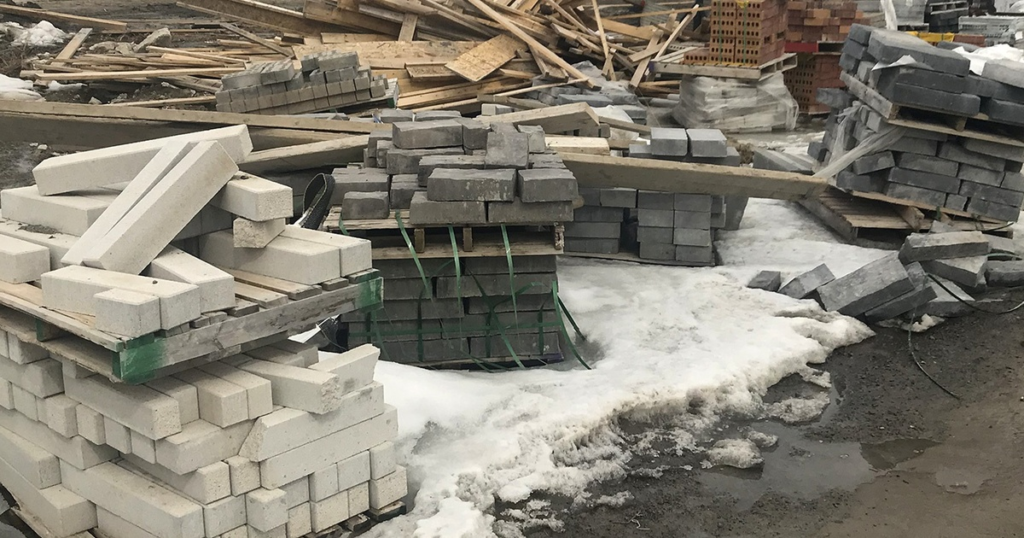
When projects miss deadlines, the visible loss is time.
But the hidden costs are much bigger:
- Machinery rent continues
- Supervisory costs increase
- Materials remain unused
- Client trust reduces
- Penalties may apply
- Brand reputation suffers
In construction, reputation builds future business.
One delayed project can impact years of growth.
Why the Industry Ignores This Problem
Labour drop-outs are often treated as normal.
Many contractors say:
“Labour toh aise hi hota hai.”
But normalizing a problem does not solve it.
If something affects productivity every week, it is not small.
It is structural.
And structural problems require structured solutions.
What Smart Contractors Are Doing Differently
Experienced contractors now understand an important truth:
Labour stability matters more than slightly lower wages.
Instead of focusing only on cost savings, they focus on:
- Verified worker sources
- Reliable labour databases
- Attendance tracking
- Clear wage agreements
- Strong worker communication
When workers are treated professionally and paid transparently, drop-outs reduce.
Stability improves.
Planning becomes realistic.
And projects miss deadlines far less frequently.
Planning for Reality — Not Assumptions
Smart project planning now includes:
- Backup labour availability
- Worker retention strategies
- Transparent wage systems
- Structured hiring processes
This does not eliminate all delays.
But it reduces uncertainty.
And construction success depends on reducing uncertainty.
The Bigger Picture
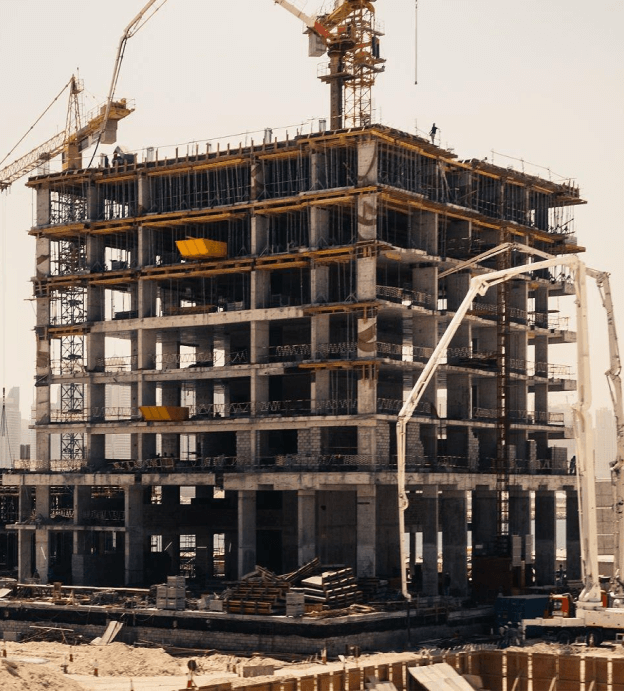
India’s construction sector is growing rapidly.
We are building highways, metro systems, housing projects, and commercial spaces at record speed.
Technology has improved in design and machinery.
But in many places, labour hiring systems remain outdated.
Modern projects need modern workforce management.
Because no matter how advanced equipment becomes, construction is still built by human hands.
And when manpower is unstable, timelines become unstable.
That is why projects miss deadlines.
Final Thoughts
There are many reasons projects miss deadlines.
But one major reason nobody openly discusses is labour instability.
Not because workers are careless.
But because hiring systems remain informal and unstructured.
If we want:
- Faster project completion
- Lower cost overruns
- Stronger contractor reputation
- Happier clients
We must organize how labour is hired and managed.
Because in construction:
Time is money.
And stable manpower is time control.