Book Appointment Now

A Day in the Life of a Daily Wage Worker in India
India’s cities are growing rapidly with new buildings, roads, bridges, and infrastructure projects. Behind this development stands the hard work of millions of individuals whose efforts often go unnoticed. Understanding the life of a daily wage worker in India helps us see the human story behind economic growth and urban expansion.
Early Morning: The Search for Work Begins
For most daily wage workers, the day starts before sunrise.
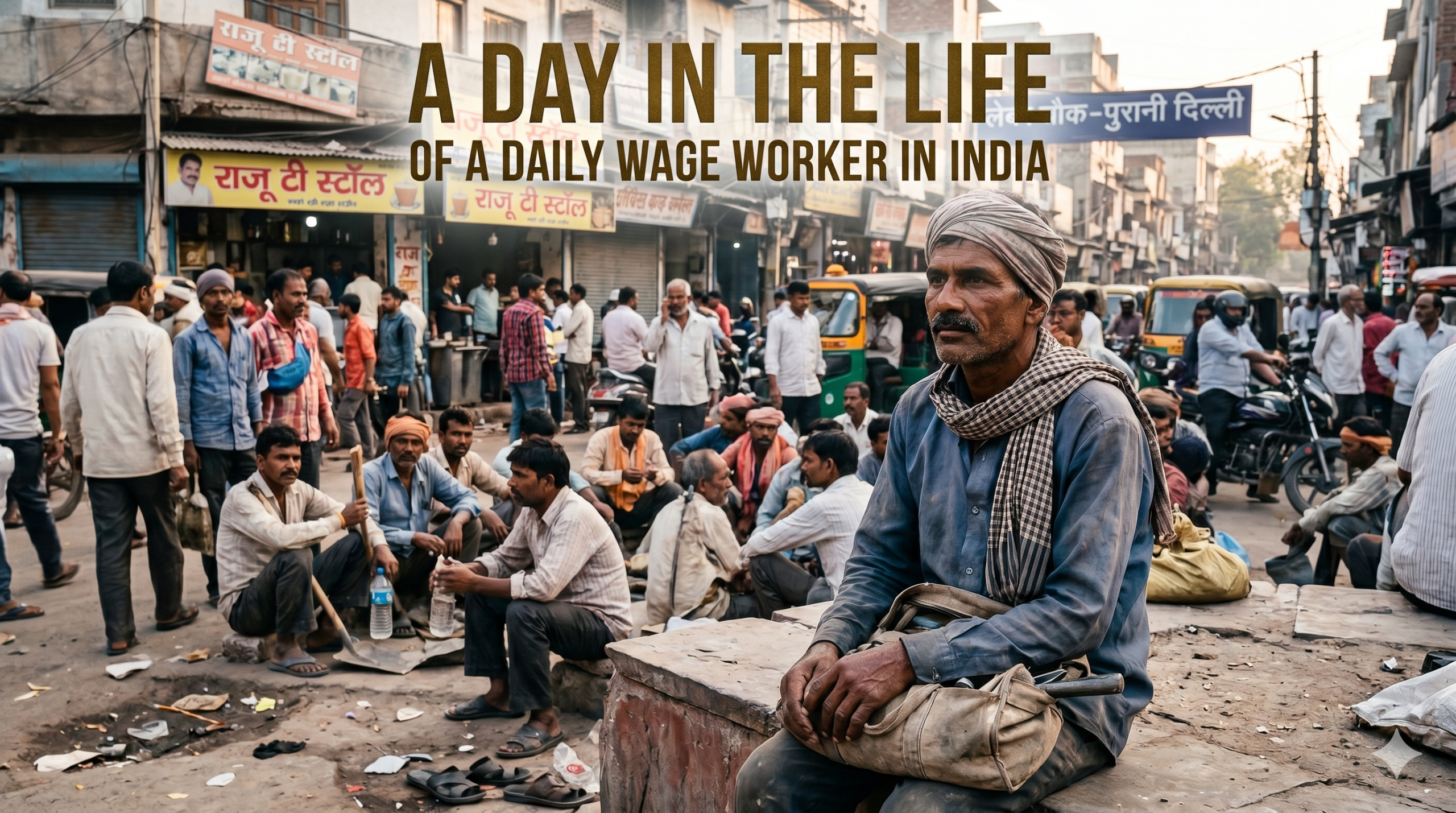
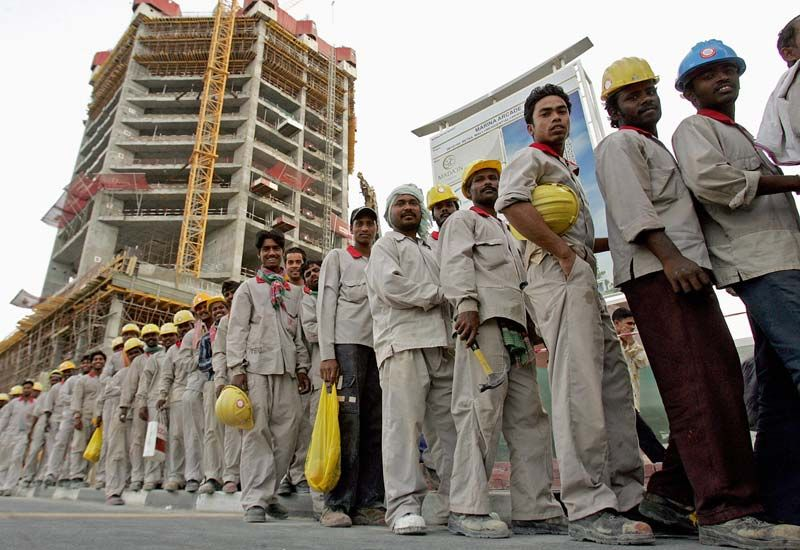
Many workers wake up at 5 or 6 AM, prepare quickly, and travel to labour chowks, construction sites, or contractor meeting points. Unlike salaried employees, their day does not begin with guaranteed work. Instead, they wait for employers or contractors who may hire workers for that particular day.
Some workers get selected within minutes, while others may wait for hours without certainty. This daily uncertainty defines the life of a daily wage worker in India.
Morning Struggles: Waiting and Negotiation
At hiring points, workers compete for limited opportunities. Employers often choose workers based on skill, experience, or physical strength.
Negotiation over wages happens quickly:
- How much will the worker earn today?
- Will food or travel be included?
- How long will the work last?
Because income depends on daily availability, workers sometimes accept lower wages just to avoid returning home without earnings. This situation highlights one of the toughest realities in the life of a daily wage worker in India.
Midday: Hard Physical Labour
Once hired, the real work begins.
Daily wage workers are commonly involved in:
- Construction work
- Loading and unloading materials
- Road and infrastructure projects
- Painting, masonry, or helper tasks
The work is physically demanding and often performed under extreme heat, dust, or challenging weather conditions. Safety equipment may not always be available, increasing health risks.
Despite these challenges, workers continue with dedication because missing a workday means losing income. Physical endurance becomes an essential part of the life of a daily wage worker in India.
Lunch Break: A Short Moment of Rest
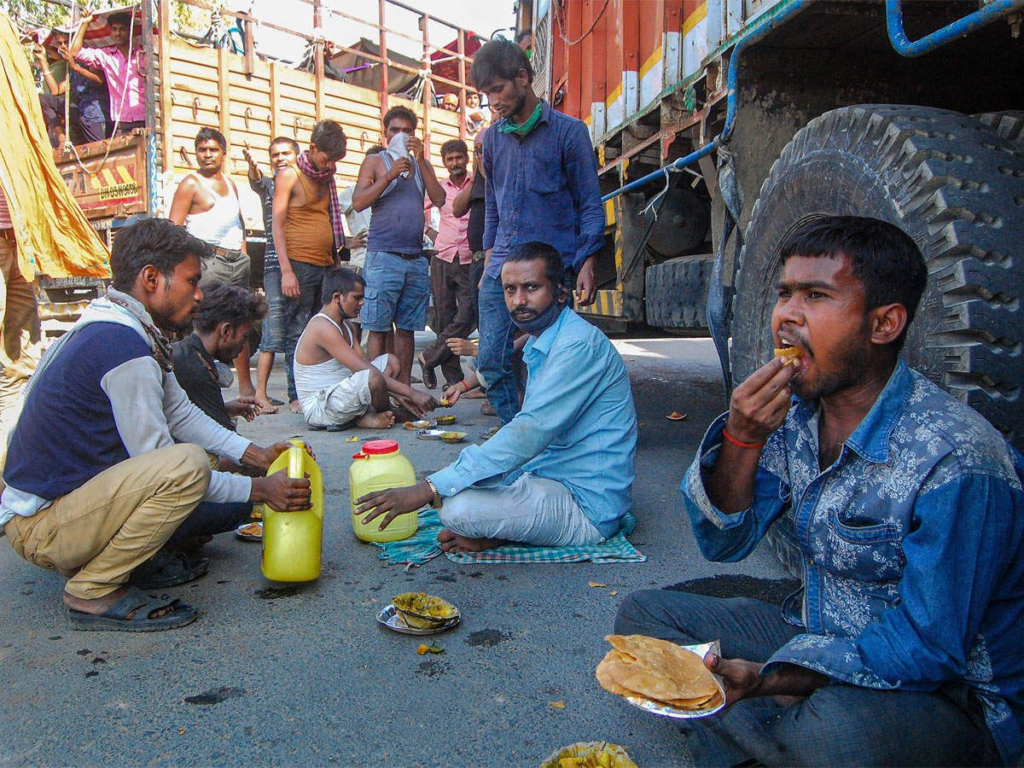
Lunch breaks are usually simple and short.
Many workers carry homemade food from their rooms or share meals with fellow workers at the site. For migrant workers living away from families, these moments also become social bonding time.
Conversations often revolve around job opportunities, wages, family responsibilities, and hopes for better employment in the future.
Afternoon: Fatigue and Responsibility
As the day progresses, fatigue increases, but work continues until evening.
Daily wage workers rarely have flexible working hours. Projects must be completed, deadlines must be met, and labour productivity directly impacts future job opportunities.
Even while working, many workers think about:
- Sending money home
- Children’s education
- Rent payments
- Medical expenses
Financial responsibility motivates them to keep going despite exhaustion. This responsibility is central to the life of a daily wage worker in India.
Evening: Payment and Uncertainty
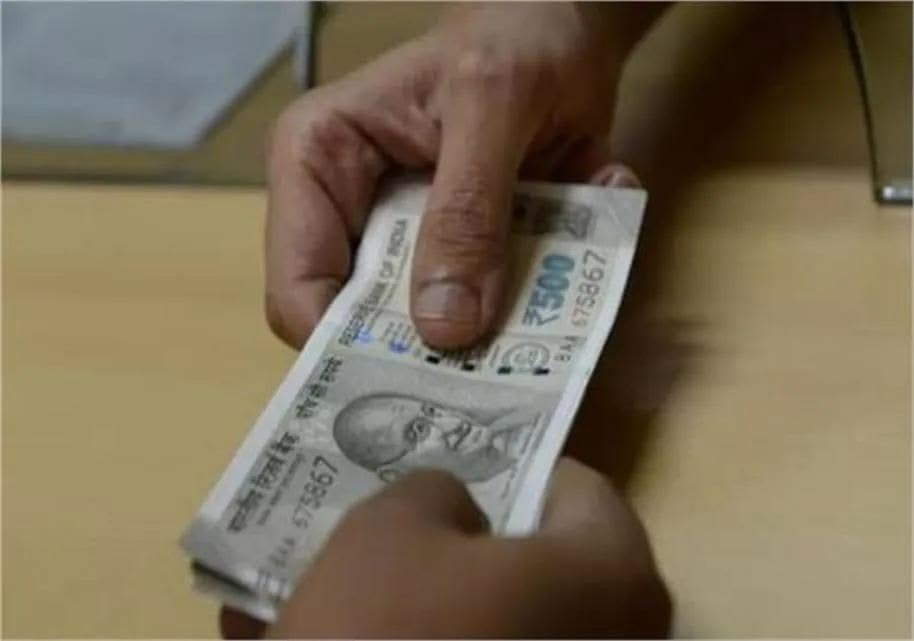
After completing the day’s work, workers wait for payment.
Sometimes wages are paid immediately in cash or digital transfer. However, delays or partial payments can occur depending on the contractor or employer.
The biggest question every evening remains the same:
Will there be work tomorrow?
This uncertainty separates daily wage workers from permanent employees and makes financial planning extremely difficult.
Night: Rest and Preparation for Another Day
After long hours of labour, workers return to shared rooms, temporary housing, or labour accommodations.
Many migrant workers live in crowded spaces to reduce expenses. Even after physical exhaustion, they often call family members back home, discussing daily earnings and future plans.
Rest is limited because the next morning begins the same cycle again — searching for work, hoping for stability, and striving for a better life.
Challenges Faced Every Day
The life of a daily wage worker in India includes several ongoing challenges:
- No guaranteed employment
- Irregular income
- Limited access to healthcare
- Unsafe working conditions
- Migration and housing issues
- Lack of social security benefits
Despite these difficulties, daily wage workers continue contributing significantly to India’s economy.
Changing Times: New Opportunities Emerging
In recent years, positive changes have started improving the situation:
- Digital hiring platforms connecting workers directly with employers
- Skill development programs increasing earning potential
- Awareness about worker rights and safety
- Digital payments improving transparency
Technology and structured hiring systems are slowly transforming the life of a daily wage worker in India by reducing dependence on middlemen and increasing job access.
Conclusion
Daily wage workers form the backbone of India’s development. Every building constructed, every road laid, and every infrastructure project completed carries the effort of these hardworking individuals.
Understanding the life of a daily wage worker in India helps society recognize their contribution and encourages solutions that provide dignity, stability, and better opportunities. As awareness grows and technology advances, the future holds hope for improved working conditions and economic security.