Book Appointment Now

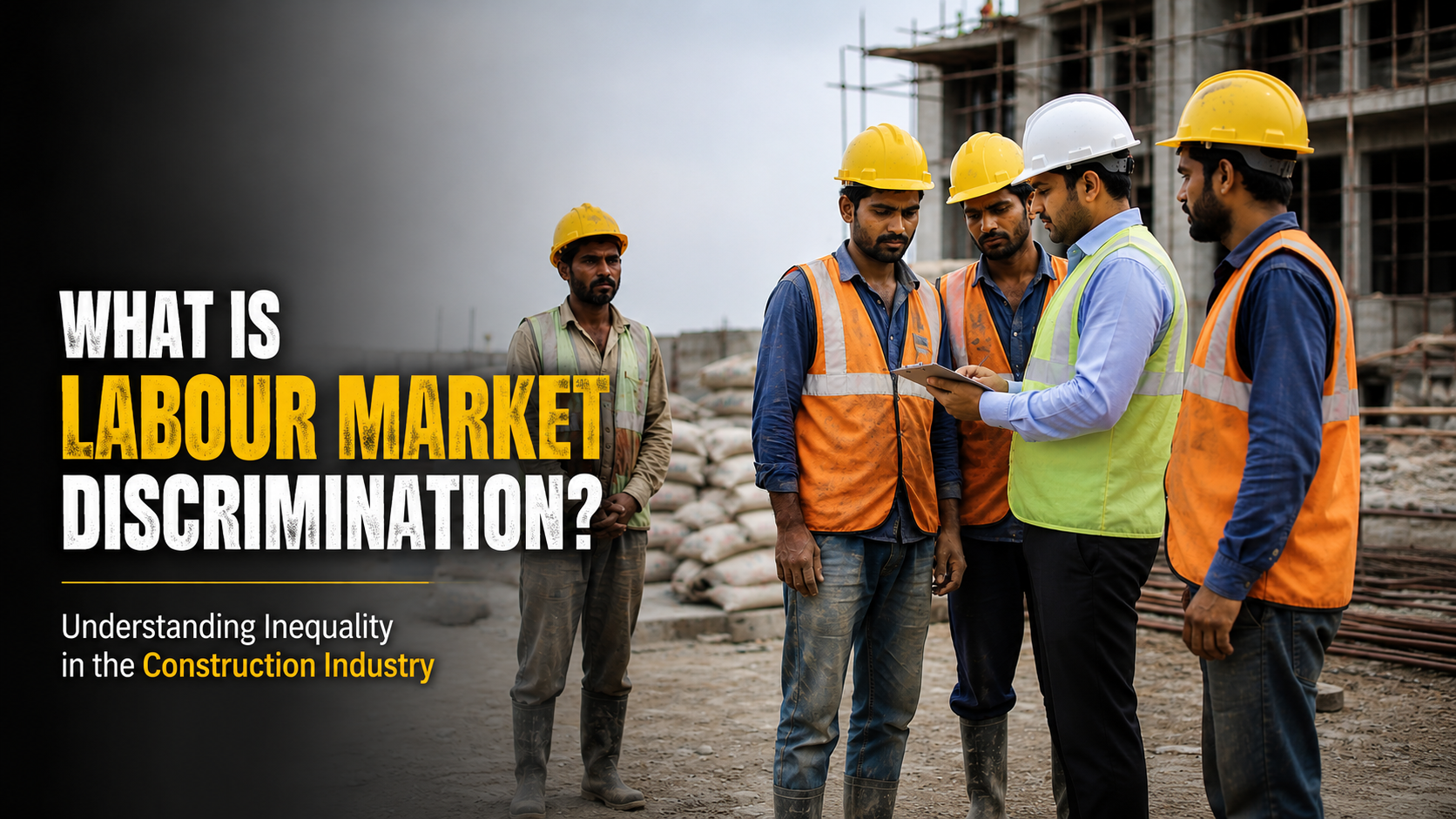
What Is Labour Market Discrimination? No.1 Simple Guide
Imagine two people applying for the same job. Same qualifications. Same experience. Same skills. But one gets a call back and the other doesn’t — simply because of their gender, race, age, or disability. That’s labour market discrimination in its most basic form. And it’s more common than most people realise. In fact, it happens every single day — in offices, factories, hospitals, and boardrooms around the world — silently shaping who gets ahead and who gets left behind.
What Is Labour Market Discrimination?
Labour market discrimination happens when workers are treated differently — in hiring, pay, promotion, or working conditions — not because of their abilities or performance, but because of personal characteristics that have nothing to do with the job. Think of it as an invisible filter that unfairly sorts people before they even get a fair chance. And the most troubling part? Most of the time, neither the employer nor the applicant even realises it’s happening — that’s what makes it so difficult to spot, and so hard to fight.
“Discrimination in the labour market doesn’t just hurt individuals — it weakens entire economies by misallocating talent and suppressing potential.”
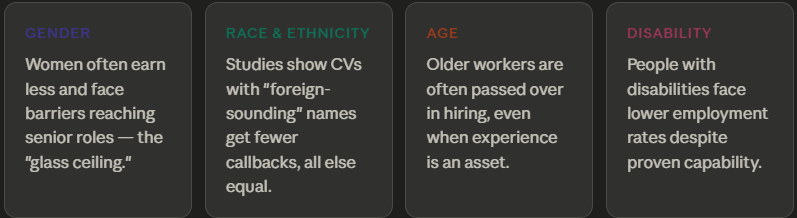
The Main Types
There is no single face of labour market discrimination. It shows up in different ways:
How Does It Actually Happen?
Economists split labour market discrimination into two broad causes. The first is taste-based discrimination — where employers, colleagues, or customers simply prefer not to work with certain groups, even at a financial cost. The second is statistical discrimination — where employers use group averages as shortcuts to judge individuals, assuming that because a group has a certain average trait, every individual in it shares it. Both are harmful, and both are often completely unconscious.
The problem is also structural. When networks, recruitment channels, and promotion systems are built around one type of person, everyone else gets quietly pushed to the margins — not through explicit prejudice, but through systems that were never designed with them in mind.
Why Should Everyone Care?
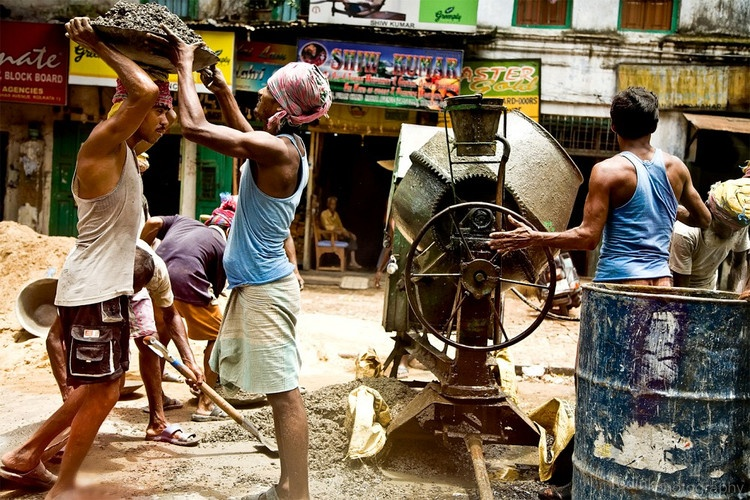
Labour market discrimination is not just a moral issue — it’s an economic one. When talented people are excluded or underutilised based on who they are, productivity falls, innovation slows, and inequality widens. Businesses that ignore this problem lose access to a broader talent pool and make poorer decisions. Countries that allow widespread labour market discrimination to persist essentially leave a large portion of their human capital on the table.
At the individual level, it can devastate lives — stunting careers, reducing lifetime earnings, and causing lasting psychological harm.
What Can Be Done?
Fighting labour market discrimination requires action on multiple fronts. Governments can enforce anti-discrimination laws and mandate pay transparency. Companies can adopt blind recruitment processes, set measurable diversity targets, and train managers to spot unconscious bias. And individuals can advocate for fairer systems — calling out inequity when they see it. Small actions compound over time. A manager who challenges a biased decision, an employee who reports unfair treatment, a company that publishes its pay gap — each one moves the needle toward a labour market that works for everyone.
The research is clear: diverse and inclusive workplaces consistently outperform those that are not. Tackling labour market discrimination is not charity — it’s smart strategy.
The Bottom Line
A fair labour market is one where your skills and effort determine your outcomes — not your name, your face, your age, or your background. We’re not there yet. But understanding labour market discrimination — what it is, how it works, and why it persists — is the essential first step toward changing it. Every conversation we have, every policy we push for, and every bias we challenge brings us one step closer to a world where opportunity is truly equal for everyone.