Book Appointment Now

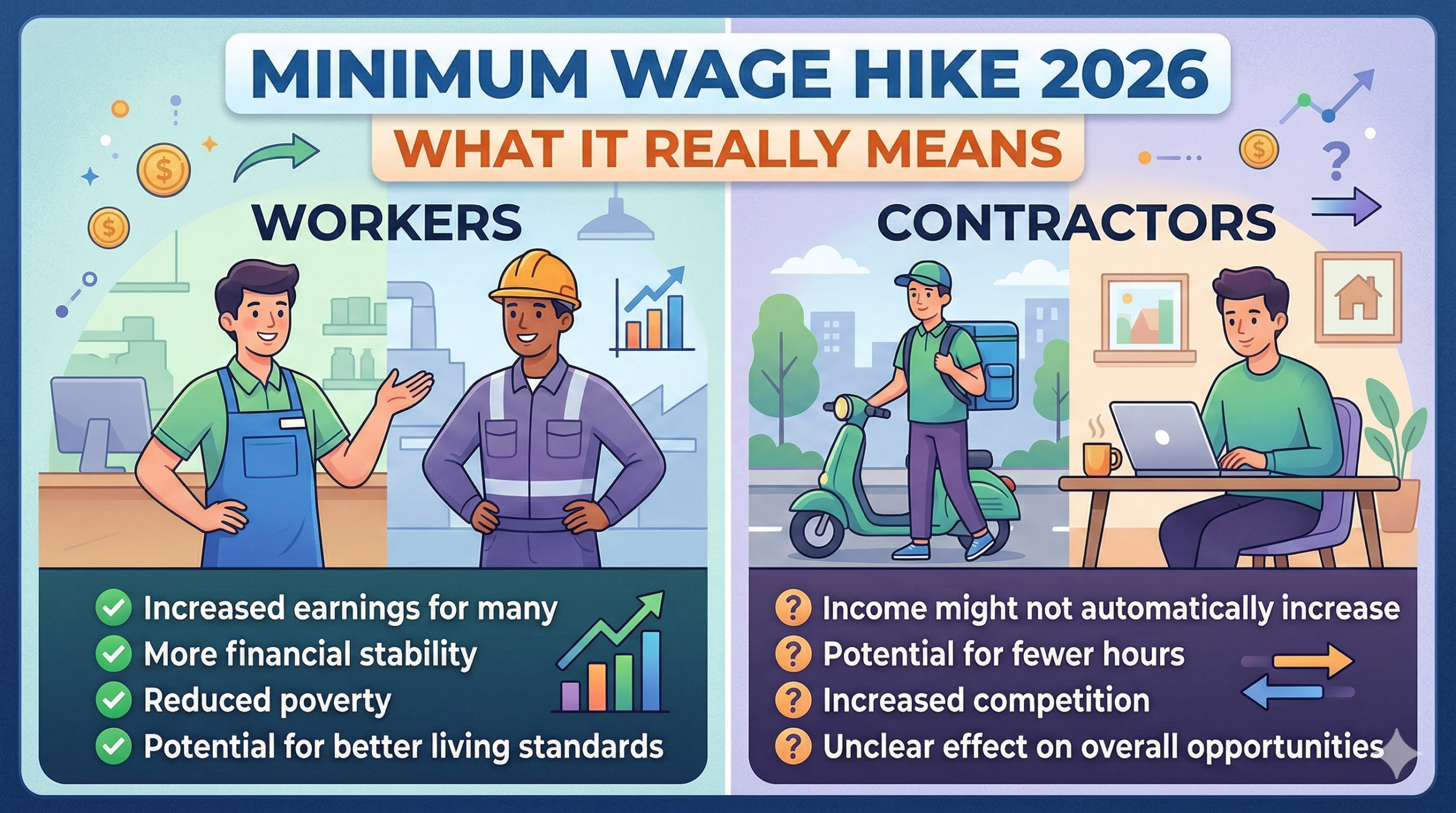
Minimum Wage Hike 2026: What It Really Means for Workers and Contractors
From April 2026, India is introducing revised minimum wage rates under the Minimum Wage Hike 2026, aimed at improving income security for workers and reducing wage inequality across sectors.
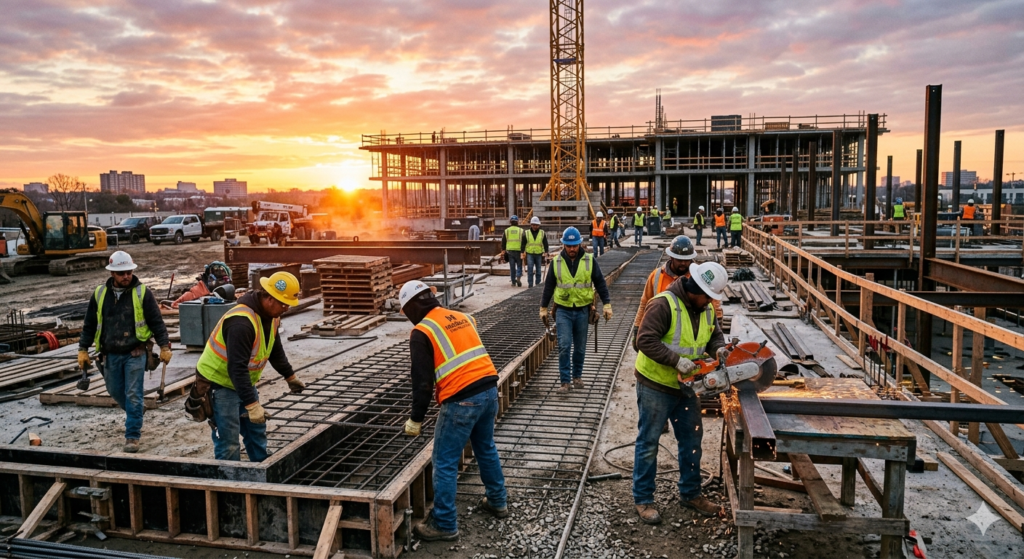
For many people, minimum wages sound like just another government announcement. But in reality, this change will directly affect daily wage workers, contractors, builders, and the entire construction ecosystem.
Let’s break down what this wage hike actually means — in simple language.
What Are the New Minimum Wage Rates in 2026?
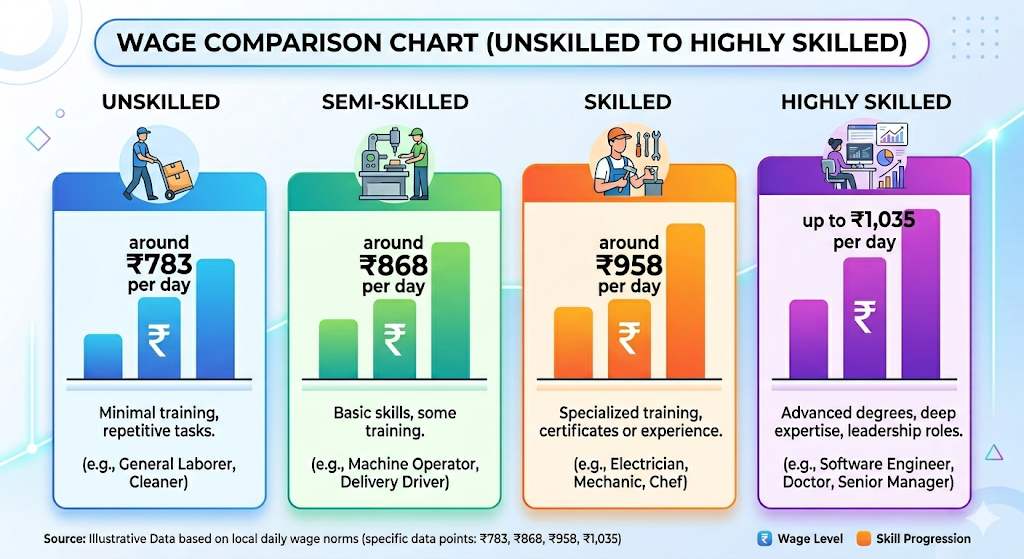
The revised daily wage structure is expected to look like this:
- Unskilled Workers: around ₹783 per day
- Semi-Skilled Workers: around ₹868 per day
- Skilled Workers: around ₹958 per day
- Highly Skilled Workers: up to ₹1,035 per day
These revised rates aim to match rising living costs such as rent, food, transport, and healthcare.
Why the Government Increased Minimum Wages
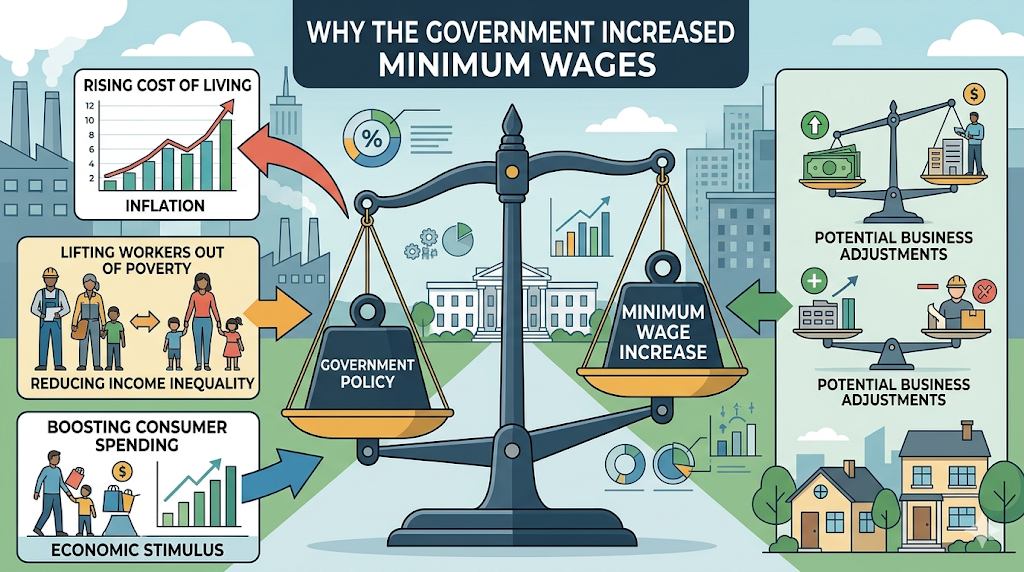
Minimum wages are not increased randomly. The decision usually depends on three major factors:
1. Rising Cost of Living
Inflation has increased basic expenses for workers. Many labour families struggle to manage monthly needs even while working full time.
Higher wages help maintain basic living standards.
2. Standardisation Across States
Earlier, wage differences between states created confusion and migration pressure.
The new framework attempts to create more uniform wage expectations nationwide.
3. Worker Welfare and Productivity
Studies show that fairly paid workers:
- Stay longer on projects
- Work more efficiently
- Reduce labour turnover
Better wages often lead to better project stability.
What This Means for Workers
1. Positive Impact
1. Better Financial Stability
Daily wage earners will see higher income, helping them manage rising household expenses.
2. Reduced Exploitation
Minimum wage laws set a legal baseline, protecting workers from underpayment.
3. Improved Job Retention
Workers are more likely to stay with contractors who follow legal wage standards.
2. Possible Challenges
- Some small contractors may initially reduce hiring.
- Informal jobs may shift toward compliance monitoring.
- Workers may need awareness about their rights to actually receive revised wages.
What This Means for Contractors
Many contractors worry that wage hikes only increase costs. But the full picture is more balanced.
💼 1. Increased Labour Cost
Yes, project expenses may rise in the short term.
However, labour cost increases are usually predictable, allowing better project budgeting.
👷 2. Lower Worker Turnover
One hidden cost in construction is constant worker replacement.
Higher wages can mean:
- Fewer workers leaving mid-project
- Less hiring stress
- Reduced delays
Retention saves money over time.
📊 3. More Professional Workforce
As wages formalize, contractors increasingly shift toward:
- Digital hiring platforms
- Worker verification
- Structured payment systems
The industry gradually becomes more organised.
Impact on the Construction Industry
The construction sector employs millions of daily wage workers. Any wage revision has wide ripple effects.
Industry-Level Changes Expected:
- Better compliance monitoring
- Increased use of digital labour hiring
- Higher focus on worker safety and rights
- Stronger contractor reputation systems
Companies that adapt early will gain a competitive advantage.
The Real Challenge: Implementation
Announcing wages is easy. Implementation is harder.
Common problems include:
- Workers unaware of wage rules
- Cash payments without records
- Informal hiring systems
- Lack of enforcement at small sites
The real success of the wage hike depends on awareness + transparency.
How Contractors Can Prepare
Smart contractors should start preparing now:
✅ Review labour budgets
✅ Update contracts and payment systems
✅ Maintain wage records
✅ Communicate openly with workers
✅ Use structured hiring methods
Those who adapt early will face fewer compliance risks later.
How Workers Can Benefit Fully
Workers should:
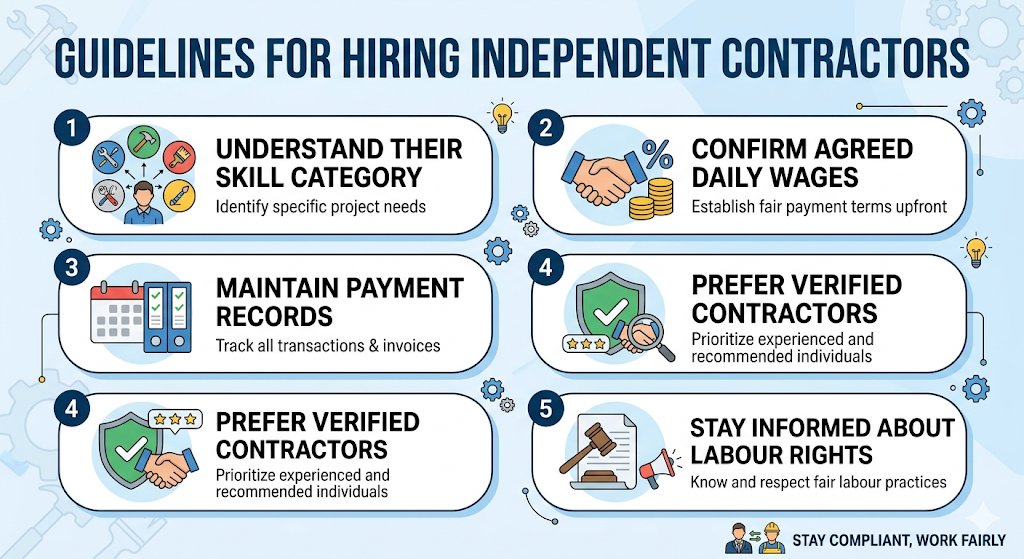
- Understand their skill category
- Confirm agreed daily wages
- Maintain payment records
- Prefer verified contractors
- Stay informed about labour rights
Awareness is as important as wage increase itself.
Bigger Picture: A Shift Toward Fair Work
India’s labour ecosystem is slowly moving from informal hiring toward organized employment.
The 2026 minimum wage revision is not just about salary — it signals:
👉 dignity of labour
👉 structured hiring
👉 sustainable construction growth
When workers earn fairly and contractors plan better, the entire industry becomes stronger.
Conclusion
The Minimum Wage Hike 2026 is a turning point for India’s labour market.
- Workers gain improved financial security.
- Contractors move toward organized workforce management.
- The construction industry becomes more professional and stable.
The real winners will be those who adapt early, stay informed, and build trust-based work environments.

[…] Construction jobs in India are expanding rapidly in 2026. Opportunities exist across cities and project types, but success depends on how quickly workers connect with employers. […]