Book Appointment Now

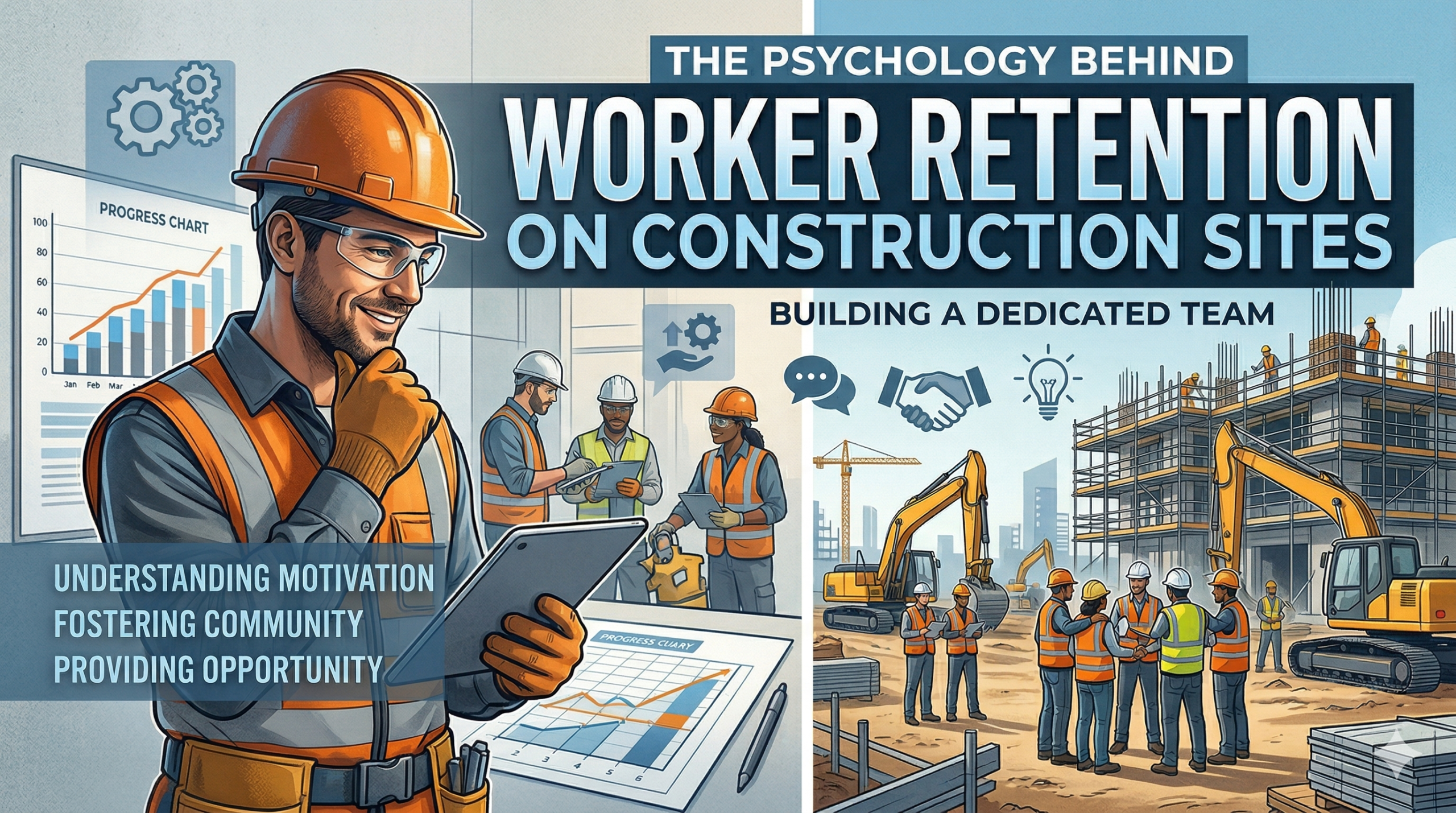
The Psychology Behind Worker Retention on Construction Sites
Construction projects don’t fail because of lack of work — they fail because workers don’t stay. Many contractors believe workers leave only for higher wages, but the real reason goes much deeper. This is where worker retention on construction sites becomes critical.
Worker retention is not just a financial issue. It is a psychological issue. When contractors understand how workers think, feel, and make decisions, they can improve worker retention on construction sites, build stable teams, and complete projects faster.
Let’s understand the human side of construction work and the psychology behind worker retention on construction sites..
Why Worker Retention Matters More Than Hiring

Most contractors focus on hiring new workers every week. But constant hiring creates:
- Project delays
- Quality problems
- Higher training time
- Increased costs
Replacing workers repeatedly is expensive. Keeping the same workers builds trust, speed, and efficiency.
This is why improving worker retention on construction sites should be a priority for every contractor.
The Psychology of Construction Workers

Construction workers are not machines. Their decisions are influenced by emotions, security, respect, and stability.
Here are the main psychological factors that affect worker retention on construction sites.
1. Need for Job Security
Daily wage workers often live with uncertainty.
They constantly think:
- Will I get work tomorrow?
- Will payment be delayed?
- Should I move to another contractor?
When workers feel insecure, they keep searching for alternative jobs.
What contractors can do:
- Offer continuous work when possible
- Inform workers about upcoming projects
- Avoid sudden removal without notice
Security creates loyalty. Workers stay where they feel stable.
2. Respect Is More Powerful Than Salary
Many contractors assume money is the only motivation. Surprisingly, respect plays a bigger role.
Workers remember:
- How supervisors speak to them
- Whether their effort is appreciated
- Whether they are treated fairly
A worker may leave a slightly higher-paying site if the environment feels disrespectful.
Simple actions improve worker retention on construction sites:
- Use respectful communication
- Listen to worker concerns
- Appreciate good performance
Respect costs nothing but builds long-term commitment.
3. Timely Payment Builds Psychological Trust
Late payments create anxiety.
Workers depend on daily wages for:
- Food
- Rent
- Family expenses
Even skilled workers leave sites where payment is uncertain.
From a psychological perspective, timely payment signals reliability.
When workers trust a contractor financially, worker retention on construction sites naturally improves.
4. Sense of Belonging and Team Identity
Humans naturally want to belong to a group.
On construction sites where:
- Workers know each other
- Teams stay consistent
- Supervisors support collaboration
Workers develop emotional attachment.
They stop seeing the job as temporary work and start seeing it as their site.
Contractors who build strong teams experience higher worker retention on construction sites without increasing wages.
5. Safe Working Environment Reduces Fear
Fear is a hidden reason workers leave.
Unsafe conditions create stress:
- Lack of safety gear
- Poor instructions
- Risky working practices
Workers may not openly complain, but psychologically they search for safer opportunities.
Providing safety equipment and clear instructions increases confidence and improves worker retention on construction sites.
6. Recognition and Growth Motivation
Every worker wants progress.
Even daily wage workers value:
- Learning new skills
- Better responsibilities
- Recognition for experience
When workers feel stuck with no growth, they move elsewhere.
Contractors can improve worker retention on construction sites by:
- Promoting skilled workers as team leaders
- Teaching new techniques
- Recognizing experience publicly
Growth creates emotional investment.
7. Communication Reduces Uncertainty
Poor communication is one of the biggest hidden problems on construction sites.
Workers leave when:
- Instructions are unclear
- Work schedules change suddenly
- Expectations are not explained
Clear daily communication reduces confusion and strengthens worker retention on construction sites.
Simple habits help:
- Morning briefings
- Clear task allocation
- Honest updates about project timelines
Common Mistake Contractors Make
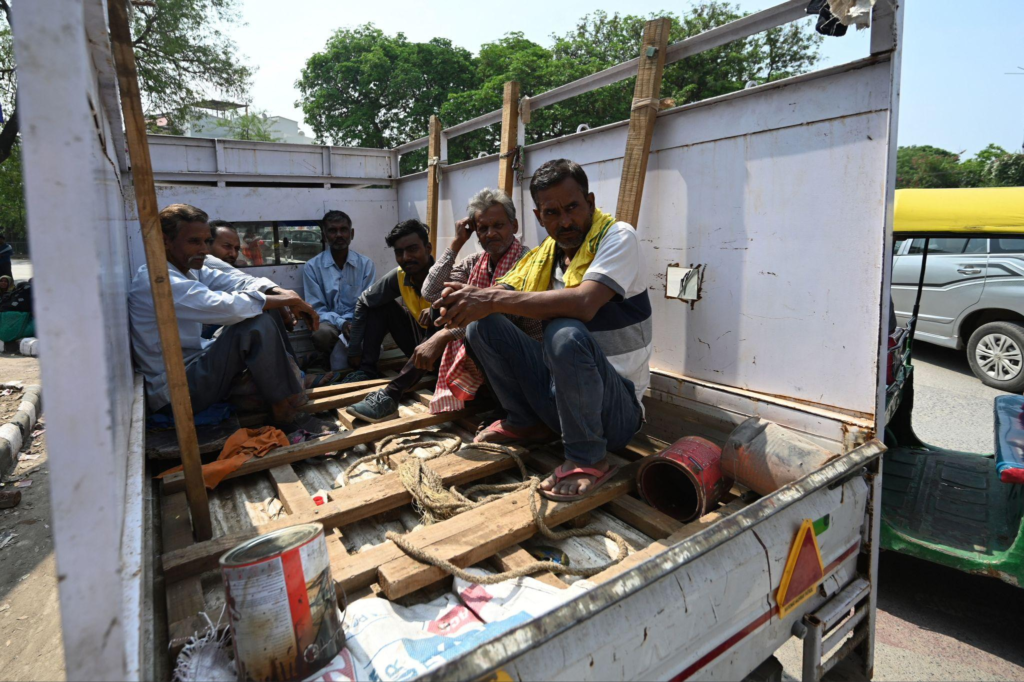
Many contractors focus only on hiring more workers instead of retaining existing ones.
But psychologically, workers prefer stability over constant change.
A contractor known for keeping workers long-term automatically attracts better talent. Strong worker retention on construction sites becomes a competitive advantage.
The Long-Term Benefits of Worker Retention
When workers stay longer:
✅ Productivity increases
✅ Training time reduces
✅ Project quality improves
✅ Trust builds naturally
✅ Hiring stress decreases
Retention transforms construction management from chaos into consistency.
Conclusion
Worker retention is not controlled only by wages. It is shaped by human psychology — security, respect, trust, safety, and belonging.
Contractors who understand these psychological needs stop chasing workers and start building loyal teams.
In today’s construction industry, success belongs to those who invest in people, not just projects. Improving worker retention on construction sites is the smartest strategy for sustainable growth.