Book Appointment Now

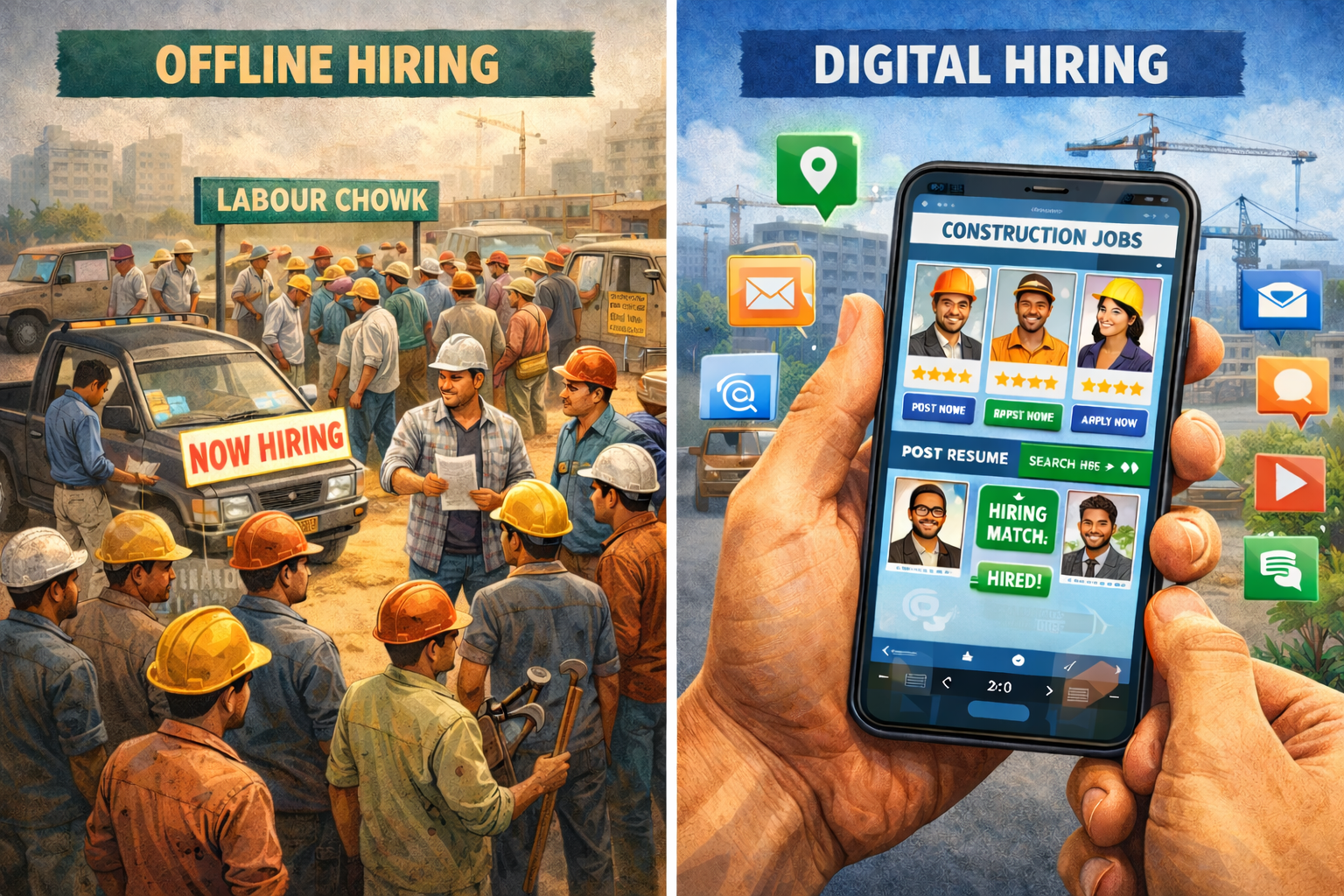
Digital Hiring vs Offline Hiring of Daily Wage Workers in India
Daily wage workers form the backbone of India’s construction, infrastructure, manufacturing, and service sectors. From building homes and roads to electrical, plumbing, loading, and site work, millions depend on daily employment to survive.
For decades, worker hiring has relied on offline systems like labour chowks, contractors, and word-of-mouth networks. Today, Digital Hiring is reshaping how daily wage workers find jobs and how employers hire manpower.
This blog compares offline hiring vs Digital Hiring of daily wage workers, explains how both systems function, and shows why Digital Hiring is becoming essential for India’s workforce.
1. What Is Offline Hiring of Daily Wage Workers?
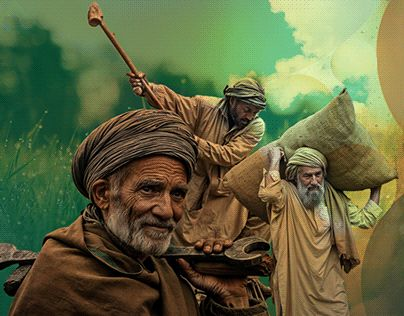
Offline hiring is the traditional method of hiring workers through physical and informal channels such as:
- Labour chowks
- Labour contractors or middlemen
- Personal references
- Local supervisors or agents
How Offline Hiring Works
Every morning, workers gather at labour chowks hoping to be selected. Employers arrive, negotiate wages verbally, and choose workers based on appearance or past familiarity—often without records or guarantees.
Problems with Offline Hiring
For Workers
- No job assurance
- No fixed or predictable income
- Long waiting hours
- No written agreement
- Risk of delayed or unpaid wages
For Employers
- Uncertain availability of workers
- No skill verification
- No worker history or records
- Daily time loss in hiring
- Dependence on middlemen
Offline hiring continues mainly because it is familiar—not because it is efficient.
2. What Is Digital Hiring of Daily Wage Workers?
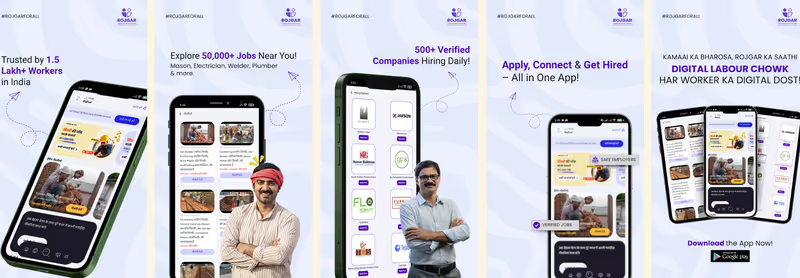
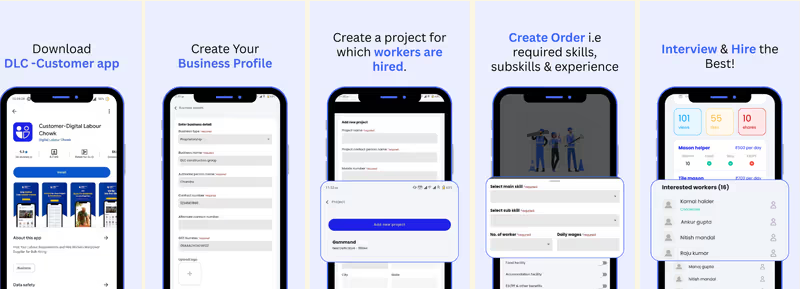
Digital Hiring uses mobile apps or online platforms to connect workers and employers directly.
Workers register with their skills, location, and availability. Employers search, select, and hire workers digitally—without physical waiting or daily uncertainty.
How Digital Hiring Works
- Workers create digital profiles
- Skills and identity are recorded
- Employers post job requirements
- Workers receive job alerts
- Hiring happens remotely and quickly
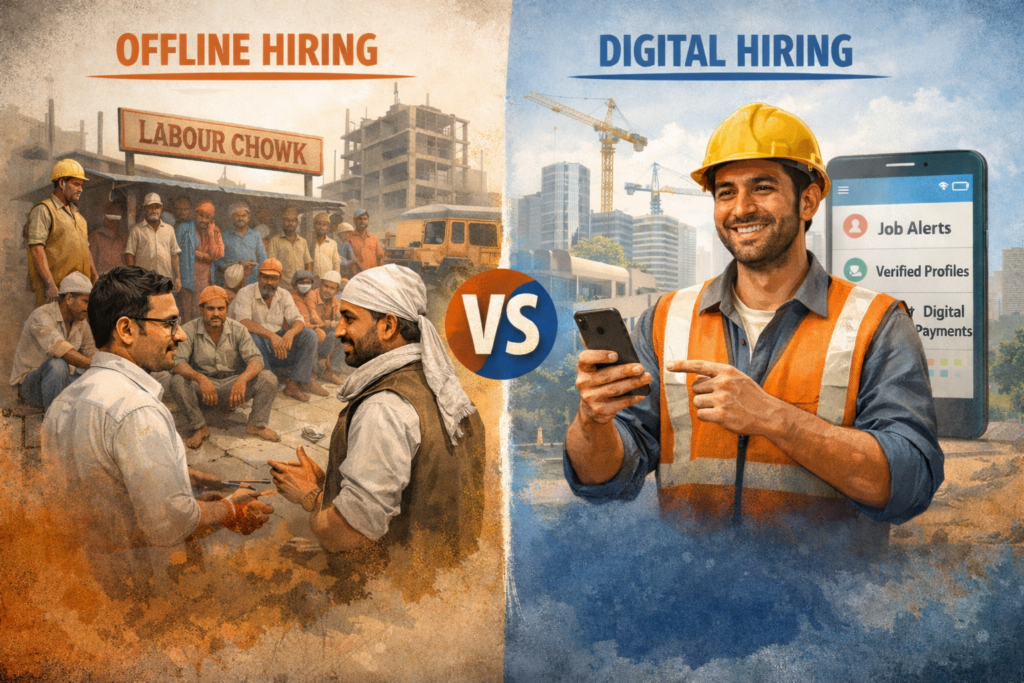
3. Offline vs Digital Hiring: Key Comparison
1. Access to Work
Offline Hiring
- Physical presence required
- Work depends on daily luck
- Long waiting with no certainty
Digital Hiring
- Jobs reach workers on their phones
- Advance visibility of opportunities
- Reduced waiting time
Winner: Digital Hiring
2. Time and Efficiency
Offline Hiring
- Employers spend hours daily
- Repeated hiring cycles
- Project delays
Digital Hiring
- Faster worker discovery
- Instant availability
- Time saved for both sides
Winner: Digital Hiring
3. Skill Matching
Offline Hiring
- Skills judged verbally
- No proof of experience
- High mismatch risk
Digital Hiring
- Skill-based profiles
- Requirement-based selection
- Better work quality
Winner: Digital Hiring
4. Transparency and Trust
Offline Hiring
- No job or wage records
- Frequent disputes
- Heavy middlemen dependency
Digital Hiring
- Digital job and payment records
- Clear communication
- Reduced role of intermediaries
Winner: Digital Hiring
5. Income Stability for Workers
Offline Hiring
- Irregular income
- Many no-work days
- No planning possible
Digital Hiring
- Frequent job access
- Better predictability
- Repeat hiring opportunities
Winner: Digital Hiring
6. Safety and Dignity
Offline Hiring
- Unsafe waiting conditions
- No formal worker identity
- Workers treated as replaceable
Digital Hiring
- Digital identity and profile
- Less physical stress
- More respectful hiring process
Winner: Digital Hiring
4. Why Offline Hiring Still Exists
Despite its drawbacks, offline hiring continues because:
- Many workers lack digital awareness
- Smartphone and internet access are uneven
- Employers are comfortable with old systems
- Trust in Digital Hiring platforms is still developing
Change in informal sectors takes time.
5. Challenges in Digital Hiring
While powerful, Digital Hiring also faces challenges:
- Need for digital literacy
- Language barriers
- Smartphone access for all workers
- Resistance from traditional contractors
These challenges are solvable through training, awareness, and simple app design.
6. Why Digital Hiring Is the Future
India’s workforce is massive and largely informal. Managing it through offline methods is inefficient and unfair.
Digital Hiring enables:
- Formalisation of informal work
- Creation of worker records
- Easier policy implementation
- Access to social security benefits
- Higher productivity and accountability
With labour reforms, digital payments, and platform adoption increasing, Digital Hiring is inevitable.
7. Impact of Digital Hiring on Contractors and Businesses
For Contractors
- Faster execution
- Predictable manpower
- Reduced operational stress
- Better cost control
For Businesses
- Scalable hiring
- Less dependency on agents
- Improved workforce planning
8. Impact of Digital Hiring on Daily Wage Workers
For Workers
- Greater dignity and respect
- Reduced uncertainty
- Fair access to jobs
- Ability to build work history
- Improved long-term stability
Digital Hiring shifts workers from waiting for work to accessing work.
Conclusion
Offline hiring has supported India’s daily wage workforce for decades—but at the cost of inefficiency, uncertainty, and inequality.
Digital Hiring is not just a technological upgrade—it is a systemic shift.
It brings transparency, dignity, efficiency, and fairness for both workers and employers.
The transition will take time, but the direction is clear.
The future of daily wage hiring is Digital Hiring—and the sooner it is adopted, the better it will be for everyone.

[…] today’s digital world, many jobs are found through mobile apps instead of traditional labour chowks. Knowing how to use a […]